
Horror Games
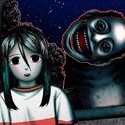
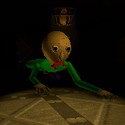
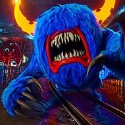
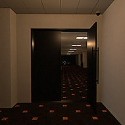
Creaking floorboards, a flashlight with a dying battery, and footsteps that stop the moment you do. Horror games are built to make your pulse climb, and this section brings together titles that rely on tension, atmosphere, and the unknown. Browse survival stories, short scare experiences, and mystery investigations, then decide how brave you feel tonight.
Why Fear Can Be So Much Fun
It sounds strange at first: people willingly seek out something that frightens them. Yet the feeling makes sense. Inside a controlled setting, fear becomes a kind of thrill. Your body reacts to the danger on screen, but your mind knows you are safe on the couch. That mix of alarm and security produces a rush many players enjoy, much like riding a roller coaster or watching a scary film late at night.
Horror games add one thing that films cannot: control. You decide whether to open the door, hide in the closet, or run. That responsibility makes every scare feel personal.
Subgenres Waiting in the Dark
Scary content comes in many forms. Here are the main directions you will see in our collection:
- Survival horror – limited supplies, strong enemies, and constant decisions about when to fight and when to flee.
- Psychological horror – stories that play with perception, memory, and what is real.
- Jump-scare experiences – short sessions built around sudden shocks.
- Monster chases – a single pursuer hunts you through a house, school, or forest.
- Investigation and mystery – collect clues, read notes, and uncover what happened in an abandoned place.
- Creepy riddles – locks and codes set inside unsettling locations.
Some horror games stay in one lane, while others blend survival with investigation or add a chase to a quiet exploration story.
The Building Blocks of a Good Scare
A frightening title works because of careful choices, not only because of monsters. When we review new additions, we look at how these elements are used:
- Sound. Distant noises, silence, and sudden audio cues often scare more than visuals.
- Lighting. Dark corridors and narrow flashlight beams limit what you can see and fuel imagination.
- Pacing. Long stretches of calm make the next shock hit harder.
- Vulnerability. Characters who cannot easily defend themselves raise the stakes.
- Story hints. Notes, recordings, and strange symbols make you want to learn more even when you are afraid.
The strongest horror games balance these parts so the tension builds slowly instead of relying only on loud surprises.
How to Survive Your First Night
If you are new to horror games, a few practical habits will help you last longer and enjoy the experience:
- Save supplies. Batteries, medkits, and ammo are usually scarce, so do not waste them early.
- Listen closely. Headphones help you tell where a threat is coming from.
- Learn the map. Knowing escape routes makes chase sequences less chaotic.
- Hide wisely. Closets and spots under the bed work, but staying too long can be risky in some titles.
- Read everything. Notes often contain codes, warnings, or clues about enemy behavior.
Many titles punish panic, so staying calm is often the best survival tool you have.
Setting the Mood at Home
Where and how you play horror games changes the whole experience. Turning off the lights and wearing headphones will make any session far more intense. If you want a gentler evening, keep a lamp on and lower the volume. Having a friend nearby can also soften the scares, and it makes for good laughs when one of you jumps.
It is also worth setting a limit on how late you play. A particularly tense story can make it hard to fall asleep afterward.
Choosing Titles That Match Your Nerve
Not every player wants the same intensity. Below is a simple guide to help you pick:
- Mild: spooky atmosphere, light riddles, few or no jump scares. Suitable for teenagers and cautious players.
- Medium: regular threats, some chases, and occasional shocks.
- Intense: constant danger, mature themes, and very little safe time.
Check the description of each title before starting. Some horror games contain disturbing themes, so parents should look through the content before letting younger children play.
Short Scares Versus Long Stories
Some titles in this category take ten minutes to finish. They are perfect for a quick fright or for testing whether you enjoy the genre at all. Others stretch across several chapters with a full plot, multiple locations, and different endings depending on your choices. Longer horror games give you more time to get attached to characters, which makes the danger feel more meaningful. Short ones focus on one strong idea and deliver it quickly.
Both formats have their place. Many players start with a brief experience and move to a longer story once they know what kind of fear they like best.
Where to Head Next
We add new horror games to this section whenever we find titles with solid atmosphere and a fair challenge. Titles can be filtered by rating or by the date they were added. If a scary session leaves you wanting something lighter, visit the [Site Name] main page and switch to a calmer category for a while.
Whether you want a quick jolt or a long night of suspense, this collection has something that will keep you glancing over your shoulder. Lock the door, dim the screen, and see how far you can make it before the lights go out.