
Duck Pond Mahjong
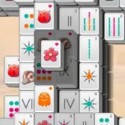










Duck Pond Mahjong combines familiar mahjong matching with a pond-inspired theme and a countdown that gives every board a sense of urgency. You have just three minutes to remove all the tiles from each layout, matching pictures such as ducks, flowers, eggs, and acorns. With 24 different boards to complete, the challenge comes from spotting available pairs quickly while making sure each move opens up useful options for the next one.
| Genre | Tile-matching puzzle |
| Goal | Remove all tiles by matching identical pairs |
| Number of boards | 24 |
| Time limit | 3 minutes for each board |
How Tile Matching Works in Duck Pond Mahjong
The main task in Duck Pond Mahjong is easy to understand: locate two identical pictures, select them, and remove them from the arrangement. The tiles feature a collection of pond-related images, including ducks, eggs, flowers, and acorns. As matching pairs disappear, more of the stack becomes visible and additional tiles may become available for selection.
However, not every tile you can see is ready to be matched. A piece must have at least one of its long sides completely unobstructed, and there cannot be another tile resting on top of it. This means that a matching picture may remain unavailable even when its partner is easy to spot. A tile surrounded by pieces on both sides or covered by another layer must wait until the blocking tiles are removed.
Understanding which pieces are accessible is just as important as recognizing identical images. Before selecting a pair, check how its removal will affect the surrounding tiles. A quick match can sometimes make the remaining arrangement more difficult if it closes off useful options or leaves important pieces buried.
Understanding the Different Board Layouts
The game includes 24 layouts, each with its own arrangement of stacked tiles. Some formations offer plenty of open pieces around the edges, while others place a large portion of the tiles beneath overlapping layers. The initial shape influences how many matching pairs you can access and which parts of the board you should work on first.
Take a moment to examine the available tiles at the beginning of a round. Look for matching images along the outer edges and pay attention to pieces that are covering several others. Removing a tile from the upper part of a stack may expose multiple new options, while clearing an isolated pair might have little effect on the rest of the puzzle.
- Start with accessible pieces: Check the left and right sides of the arrangement for tiles that can be selected immediately.
- Watch the upper layers: Tiles covering several others can influence how quickly new matching opportunities appear.
- Notice repeated pictures: Groups of identical ducks, eggs, or other symbols may provide several possible matches as the board opens up.
Playing Against the Three-Minute Countdown
Every layout in Duck Pond Mahjong has a separate three-minute countdown. There is no extra time carried over from a previous board, so each new round starts with the same time allowance. The countdown makes the game more demanding than a traditional untimed mahjong puzzle, where you can study the entire arrangement before committing to a move.
Spending too long searching for a perfect sequence can leave you with insufficient time to finish. On the other hand, clicking the first available pair without considering the resulting layout can create problems later. The challenge is to balance quick decisions with enough planning to avoid blocking useful moves.
One practical approach is to concentrate on the tiles that are currently available rather than trying to memorize the entire stack. After every match, take a quick look at the newly exposed pieces. Since the board changes with each removal, a pair that was inaccessible moments earlier may now be ready to select.
- Identify a few visible matching pairs before making your opening move.
- Choose matches that also reveal or free up other tiles whenever possible.
- Check the updated arrangement after each pair is removed.
- Keep an eye on the remaining time and avoid lengthy pauses between decisions.
Working Through All 24 Puzzle Boards
Progress in Duck Pond Mahjong depends on clearing the complete arrangement within the allotted time. Once a board is finished, the next layout brings a fresh tile formation and another three-minute challenge. Because the clock resets for every round, you need to manage your time consistently instead of relying on spare seconds earned earlier.
Later layouts can require more careful observation, particularly when several layers overlap and the available pairs are limited. Pay attention to which symbols appear repeatedly and where they are positioned. If two matching tiles are both blocked, look for other pairs that can open a route to them. Clearing the board in a useful order often matters more than simply removing as many tiles as possible in the first few moments.
Repeated attempts can also help you recognize the structure of a difficult layout. You may begin to notice which tiles are likely to become accessible after particular matches and which areas tend to remain blocked. This familiarity can make your decisions quicker without requiring you to rush through every move.
A Pond-Themed Puzzle With a Fast Pace
Duck Pond Mahjong pairs cheerful animal and nature imagery with the familiar rules of a tile-matching puzzle. Its simple matching objective makes it easy to start playing, while the restrictions on accessible tiles add a layer of strategy to every board. The three-minute limit provides an additional challenge, encouraging you to keep moving as the arrangement changes.
Whether you are matching ducks near the edge or uncovering a hidden pair of acorns beneath a stack, each move affects what you can do next. Completing all 24 layouts calls for a combination of observation, sensible tile selection, and steady pacing. The most useful habit is to look beyond the pair in front of you and consider what the board will reveal once those tiles are gone.